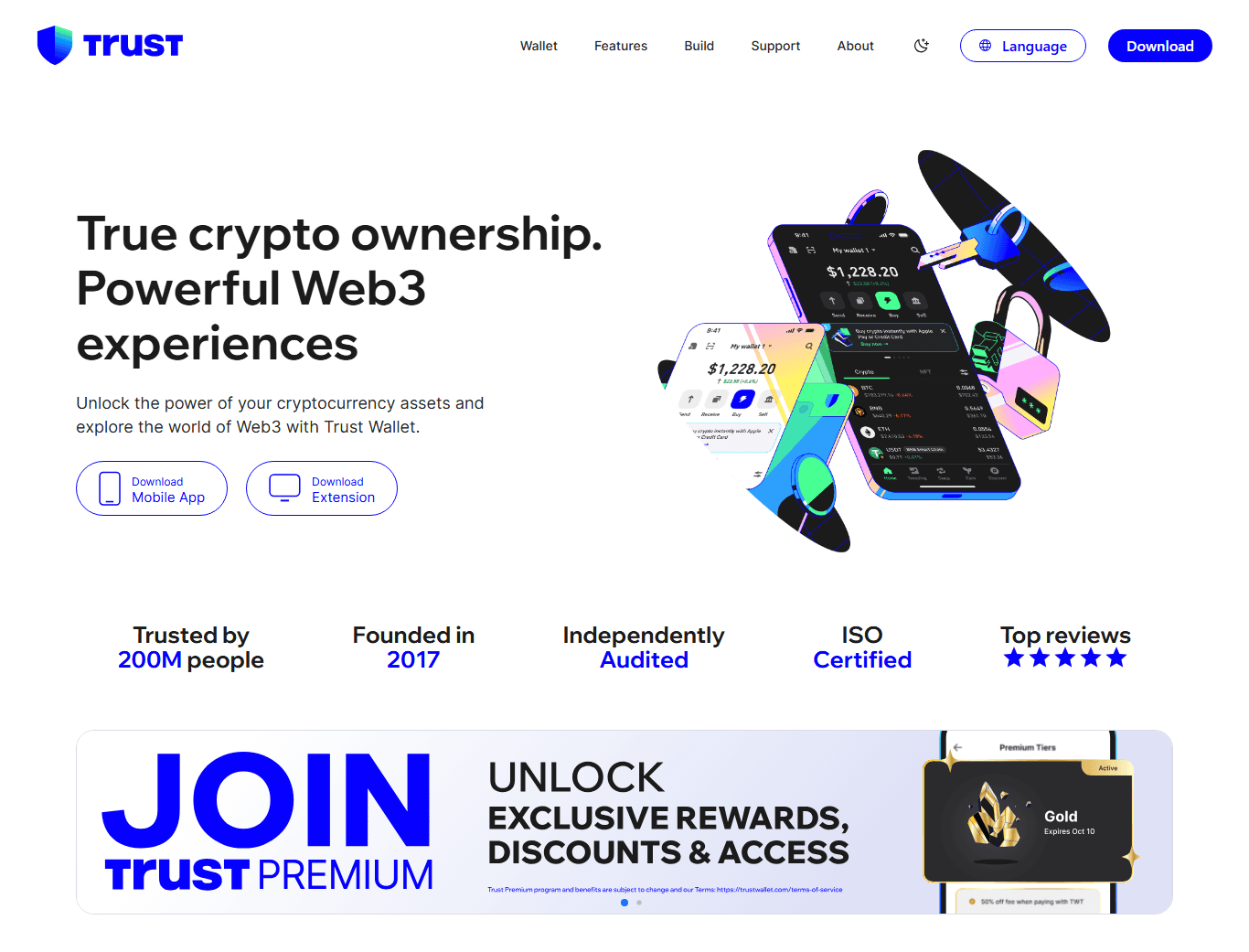
Trust Wallet: Your Complete Guide to Mobile Crypto Management
Cryptocurrency has transformed how people store, manage, and exchange value. With the rise of digital assets, having a secure, easy-to-use wallet has become essential. Trust Wallet is a leading mobile cryptocurrency wallet designed to help users manage, store, and interact with a wide variety of cryptocurrencies and decentralized applications (DApps). Unlike centralized exchange wallets, Trust Wallet is non-custodial, meaning users retain full control of their private keys and funds. This guide will explore the wallet’s features, setup process, security measures, and best practices to ensure safe crypto management.
What Is Trust Wallet?
Trust Wallet is a mobile wallet application for iOS and Android devices that allows users to manage cryptocurrencies safely. Its primary function is to provide a secure environment for storing private keys while giving easy access to sending, receiving, and interacting with digital assets.
Being non-custodial is one of Trust Wallet’s most important features. Unlike custodial wallets, where the platform manages your keys, Trust Wallet stores all private keys on the user’s device. This ensures that only the user has access to their funds, increasing security and reducing reliance on third parties.
The wallet supports thousands of tokens and coins across multiple blockchains, including major networks like Ethereum, Binance Smart Chain, and many more. In addition, Trust Wallet offers integrated access to DApps, DeFi protocols, NFT marketplaces, and staking opportunities—all from a single mobile interface.
Why Trust Wallet Is Popular
Several key factors make Trust Wallet a favorite among cryptocurrency users:
Full Control Over Private Keys: Users retain ownership of their funds at all times.
Wide Asset Support: Trust Wallet supports a wide variety of coins and tokens across different blockchains.
Decentralized Application Access: Its built-in Web3 browser allows users to interact directly with DApps securely.
Staking Capabilities: Certain cryptocurrencies can be staked to earn passive rewards.
User-Friendly Interface: The wallet is designed to be intuitive, making it accessible to beginners while still providing advanced features for experienced users.
This combination of security, versatility, and ease of use has contributed to its global popularity.
Getting Started with Trust Wallet
Installation and Setup
Trust Wallet is available for download from official app stores. After installing the app, the setup process is straightforward:
Create a New Wallet:
The app will generate a 12-word recovery phrase. This phrase is crucial for restoring the wallet if the device is lost or damaged.
Backup Your Recovery Phrase:
Write it down on paper and store it securely offline. Digital storage can expose it to hackers.
Set a PIN or Biometric Lock:
Add an additional layer of protection with a PIN, fingerprint, or facial recognition. This helps prevent unauthorized access.
By following these steps, users can establish a secure environment to manage their cryptocurrency holdings.
Core Features of Trust Wallet
Sending and Receiving Cryptocurrencies
Trust Wallet makes transactions simple:
Sending Funds: Enter the recipient’s address, select the coin, choose the amount, and confirm the transaction. Always verify the recipient’s address carefully.
Receiving Funds: Generate a wallet address to receive cryptocurrency. Trust Wallet supports QR codes for easier transfers.
Transactions are signed locally on the device, ensuring private keys remain offline and secure.
Multi-Currency Support
Trust Wallet supports thousands of tokens across multiple blockchains, including Ethereum, Binance Smart Chain, and others. Users can manage multiple cryptocurrencies within a single app without needing additional wallets.
DApp Browser Integration
The built-in Web3 browser allows users to interact with decentralized applications directly from the wallet. This includes decentralized exchanges, NFT marketplaces, and DeFi platforms. Users can access these services without exposing private keys to third-party platforms.
Staking and Rewards
Trust Wallet enables staking of supported cryptocurrencies. Users can participate in network validation and earn rewards passively. The wallet provides an easy-to-use interface to monitor staking performance and claim rewards directly within the app.
WalletConnect
Trust Wallet supports WalletConnect, a secure protocol that allows the wallet to connect with web-based decentralized platforms. This provides users with additional ways to interact with DApps safely, without compromising private keys.
Security Features of Trust Wallet
Security is one of the strongest points of Trust Wallet:
Non-Custodial Design: Private keys remain on the device, giving users full control.
Local Transaction Signing: Transactions are signed directly on the device, minimizing exposure to malware.
PIN and Biometric Lock: Optional security layers prevent unauthorized access to the wallet.
Backup and Recovery: The recovery phrase allows users to restore wallets on new devices.
Open-Source Code: Trust Wallet’s open-source code allows for community audits, enhancing transparency and security.
These features combine to create a secure environment for storing and managing cryptocurrencies.
Managing Multiple Wallets
Trust Wallet allows users to create multiple wallets on a single device. Each wallet has its own recovery phrase, which allows for separation of funds and additional security. Multiple wallets are useful for:
Organizing long-term holdings separately from daily-use assets.
Experimenting with new tokens or DApps without risking primary funds.
Managing different blockchain accounts individually.
Best Practices for Using Trust Wallet
To maximize security and usability, follow these best practices:
Safeguard Your Recovery Phrase: Store it offline in a secure location.
Enable PIN or Biometric Lock: Protect access if your device is lost or stolen.
Verify Addresses Before Sending: Always double-check recipient addresses.
Keep the App Updated: Updates often contain security enhancements and new features.
Use Trusted DApps Only: Interact with verified decentralized applications to avoid scams.
Avoid Public Wi-Fi: Conduct transactions on private networks to reduce hacking risks.
Trust Wallet and DeFi
Trust Wallet serves as a gateway to the decentralized finance ecosystem:
Decentralized Exchanges: Trade assets directly without relying on centralized platforms.
Lending and Borrowing: Participate in DeFi protocols to earn interest or access liquidity.
NFT Marketplaces: Store, view, and trade non-fungible tokens securely within the wallet.
By providing access to DeFi and NFTs, Trust Wallet becomes more than a storage tool—it is a full-featured crypto management platform.
Pros and Cons of Trust Wallet
Pros
Full control over private keys.
User-friendly interface suitable for beginners.
Wide range of supported cryptocurrencies.
Built-in DApp browser for DeFi and NFT access.
Secure, non-custodial design.
Staking and rewards directly from the wallet.
Cons
Mobile-only wallet, no desktop version.
Users must securely manage their recovery phrase.
Loss of device or seed without backup can lead to permanent loss of funds.
Despite these minor limitations, Trust Wallet remains one of the most reliable mobile wallets available.
Conclusion
Trust Wallet is a versatile, secure, and user-friendly mobile wallet that empowers users to take full control of their cryptocurrency assets. With features like multi-currency support, DApp access, staking, WalletConnect, and strong security measures, it offers a comprehensive solution for managing crypto safely. By following best practices such as safeguarding recovery phrases and verifying transactions, users can interact with the blockchain ecosystem confidently. Whether for beginners exploring digital assets or experienced investors managing multiple wallets, Trust Wallet provides the tools needed for secure, convenient, and effective crypto management.